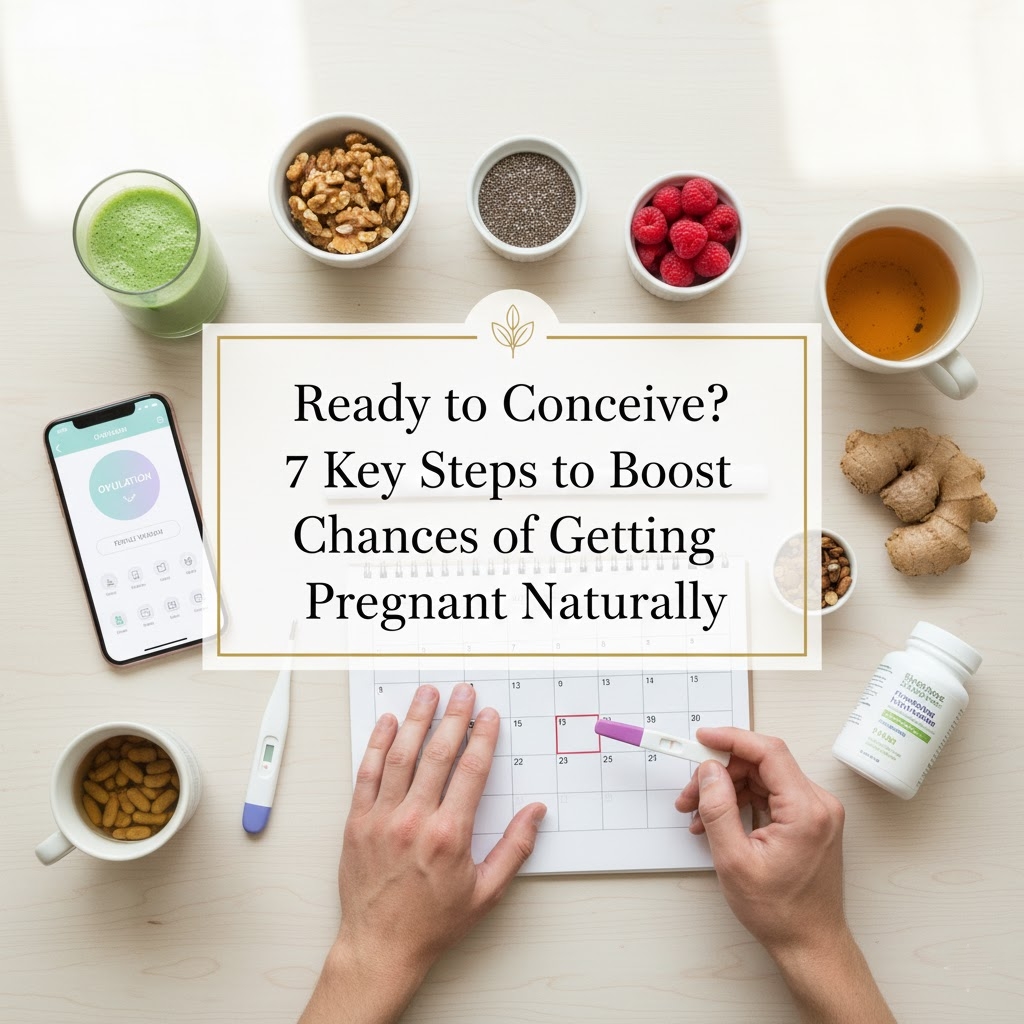
The decision to start or grow your family is incredibly exciting, but the journey to conception can sometimes feel overwhelming. While timing and luck play their part, there are many proactive steps you can take to significantly increase your chances of getting pregnant. This guide will walk you through seven essential strategies, focusing on natural methods to optimize your fertility and prepare your body for a healthy pregnancy.
1. Understand Your Cycle: The Power of Ovulation Tracking
This is perhaps the most crucial step. Pregnancy can only occur when sperm meets an egg, which happens during ovulation. Knowing when you ovulate allows you to time intercourse for maximum effectiveness.
- Methods:
- Ovulation Predictor Kits (OPKs): These urine tests detect a surge in luteinizing hormone (LH), which signals that ovulation is about to occur.
- Basal Body Temperature (BBT): Tracking your basal body temperature (your lowest resting temperature) each morning can help identify ovulation after it has happened, showing a slight rise in temperature. Over time, this helps you predict future ovulations.
- Cervical Mucus Monitoring: As ovulation approaches, cervical mucus becomes clear, stretchy, and slippery, resembling egg whites. This type of mucus helps sperm travel to the egg.
Aim to have intercourse in the 2-3 days leading up to ovulation and on the day of ovulation itself.
2. Nourish Your Body: Fertility-Boosting Diet
What you eat impacts your reproductive health. Focus on a balanced diet rich in whole foods, similar to what you’d eat during pregnancy.
- Include: Fruits, vegetables, whole grains, lean proteins, and healthy fats (like those found in avocados, nuts, and olive oil).
- Emphasize: Folate (leafy greens, beans), iron (lentils, fortified cereals), and calcium (dairy, fortified plant milks).
- Limit: Highly processed foods, excessive sugar, and caffeine. Some studies suggest that diets rich in antioxidants (from berries, nuts, dark chocolate) may improve fertility.
3. Maintain a Healthy Weight
Both being significantly underweight or overweight can disrupt hormonal balance and ovulation.
- Underweight: Can lead to irregular or absent periods.
- Overweight: Can cause hormonal imbalances, making ovulation less predictable.
- Action: Aim for a healthy Body Mass Index (BMI) through a combination of a balanced diet and moderate exercise. Gradual, sustainable changes are key.
4. Manage Stress Effectively
Chronic stress can wreak havoc on your hormones, potentially delaying or even preventing ovulation.
- Strategies: Incorporate stress-reduction techniques into your daily routine. This could include meditation, yoga, deep breathing exercises, spending time in nature, or engaging in hobbies you enjoy.
- Support System: Talk to your partner, friends, or a therapist about any anxieties you’re experiencing.
5. Prioritize Quality Sleep
Sleep is crucial for overall health, including hormonal regulation. Insufficient sleep can affect the hormones that control ovulation. Aim for 7-9 hours of quality, uninterrupted sleep each night. Create a relaxing bedtime routine to improve your sleep hygiene.
6. Avoid Harmful Substances
Certain substances can negatively impact fertility in both partners.
- Quit Smoking: Smoking significantly reduces fertility in both men and women.
- Limit Alcohol: Excessive alcohol consumption can affect ovulation and sperm quality.
- Reduce Caffeine: While moderate caffeine intake is generally considered safe, some experts recommend limiting it when trying to conceive.
- Avoid Recreational Drugs: These can have serious adverse effects on reproductive health.
7. Consider Your Partner’s Health
Fertility is a shared journey. Your partner’s health and lifestyle are just as important. Encourage him to adopt similar healthy habits, including a balanced diet, regular exercise, stress management, and avoiding harmful substances. Sperm quality can be affected by factors like tight underwear, hot baths, and certain medications, so addressing these could be beneficial.
Trying to conceive can be an emotional rollercoaster. Be patient with yourself and each other, and remember that professional medical advice is always available if you have concerns or haven’t conceived after a year of trying (or six months if you’re over 35). By focusing on these natural steps, you can significantly enhance your body’s readiness for pregnancy.