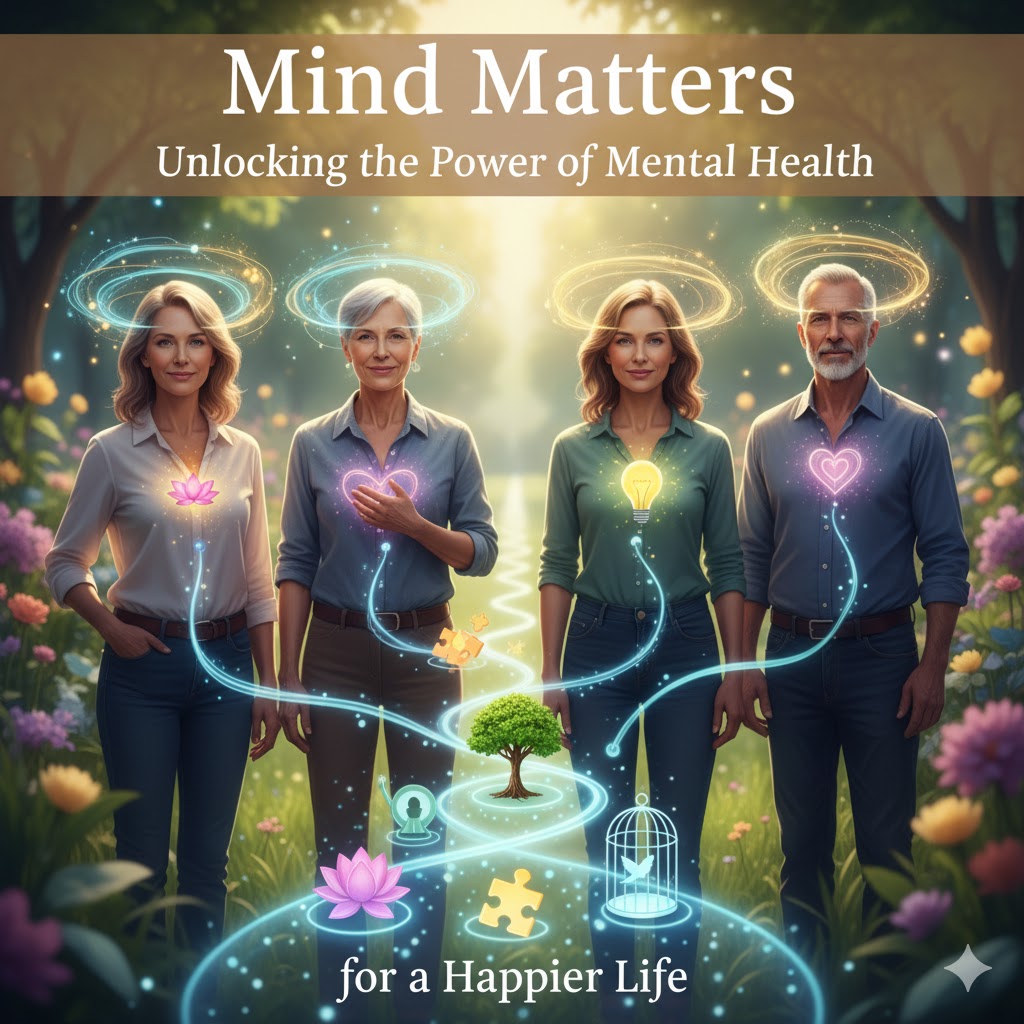
In today’s fast-paced world, mental health has become as vital as physical health. With rising stress, anxiety, and depression, people are beginning to understand that emotional well-being shapes every aspect of life—from relationships and productivity to creativity and decision-making.
Mental health refers to our emotional, psychological, and social well-being. It affects how we think, feel, and act. Good mental health doesn’t mean being happy all the time—it means having the resilience to handle life’s ups and downs effectively. Unfortunately, social stigma still surrounds mental illness, preventing many from seeking help when they need it the most.
Factors like work pressure, financial stress, poor sleep, and digital overload often trigger mental exhaustion. To maintain balance, self-care should become a daily practice. Start with small steps—get enough sleep, eat nutritious meals, exercise regularly, and spend time in nature. Mindfulness, yoga, and meditation help calm the mind and improve focus.
Talking about your feelings is also powerful. Whether with friends, family, or a therapist, expressing emotions can reduce the burden you carry inside. Remember, asking for help is a sign of strength, not weakness. Creating a supportive environment at home and work can also promote better mental well-being.
Technology can be a double-edged sword—while it connects us, it can also cause comparison and loneliness. Limit screen time and prioritize real connections. Make time for hobbies and gratitude journaling; both enhance positivity.
By nurturing your mental health, you not only improve your life but also inspire others to do the same. A healthy mind builds a strong, compassionate, and successful individual ready to face life’s challenges with confidence.