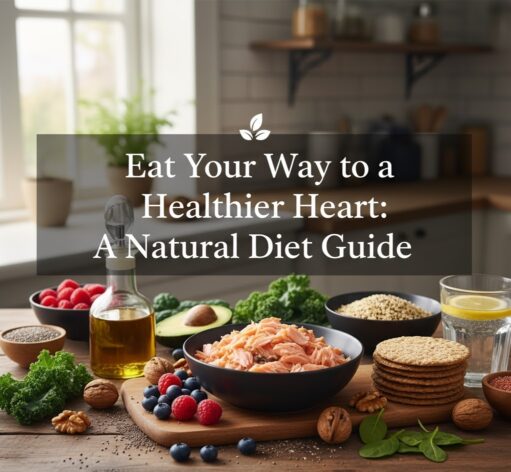
Your heart works tirelessly for you, and one of the most powerful ways to protect it is through the food you eat. Adopting a natural, heart-healthy diet doesn’t mean deprivation; it means embracing delicious, whole foods that nourish your cardiovascular system. This guide will show you how to build a natural diet that strengthens your heart, improves your energy, and promotes long-term wellness.
The Foundation: What is a Heart-Healthy Diet?
A natural diet for a healthy heart focuses on foods in their most unprocessed state. Think vibrant fruits and vegetables, whole grains, healthy fats, and lean proteins. It’s about limiting processed foods, excessive sugar, salt, and unhealthy fats that can contribute to high blood pressure, high cholesterol, and inflammation—all risk factors for heart disease.
Key Foods to Embrace for a Healthy Heart
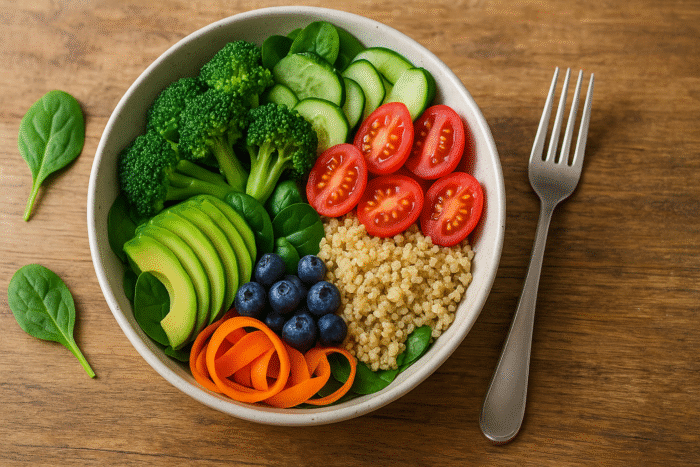
- Load Up on Fruits and Vegetables: These are nutritional powerhouses, packed with vitamins, minerals, antioxidants, and fiber. Berries are rich in antioxidants that protect against oxidative stress, while leafy greens like spinach and kale are excellent sources of Vitamin K, which helps protect your arteries. Aim to fill half your plate with a colourful variety at every meal.
- Choose Healthy Fats: Not all fats are created equal. Monounsaturated and polyunsaturated fats can help lower bad cholesterol levels. Fantastic sources include:
- Avocados: Rich in potassium, which helps control blood pressure.
- Nuts and Seeds: Almonds, walnuts, flaxseeds, and chia seeds are full of heart-healthy fats, fiber, and protein.
- Olive Oil: Use extra virgin olive oil for dressings and light cooking.
- Opt for Whole Grains: Whole grains are an excellent source of dietary fiber, which can help lower cholesterol and reduce the risk of heart disease. Swap refined grains (like white bread and pasta) for:
- Oats: A bowl of oatmeal is a perfect heart-healthy start to your day.
- Brown Rice and Quinoa: Excellent as a base for meals.
- Whole-Wheat Bread: Look for “100% whole wheat” on the label.
- Incorporate Lean Protein: Protein is essential, but the source matters. Choose options that are low in saturated fat.
- Fatty Fish: Salmon, mackerel, and sardines are rich in omega-3 fatty acids, which are superstars for heart health, known to decrease triglycerides and blood pressure.
- Legumes: Beans, lentils, and chickpeas are fantastic plant-based protein sources full of fiber and nutrients.
- Poultry: Opt for skinless chicken or turkey.
Foods to Limit or Avoid
- Processed Foods: These are often loaded with sodium, unhealthy fats, and preservatives.
- Sugary Drinks and Snacks: Excess sugar contributes to inflammation and weight gain.
- Trans Fats: Found in many fried foods and baked goods, they raise bad (LDL) cholesterol and lower good (HDL) cholesterol.
Making small, sustainable changes to your diet can have a huge impact on your heart health. Start by incorporating one or two of these tips this week, and build from there. Your heart will thank you for it.