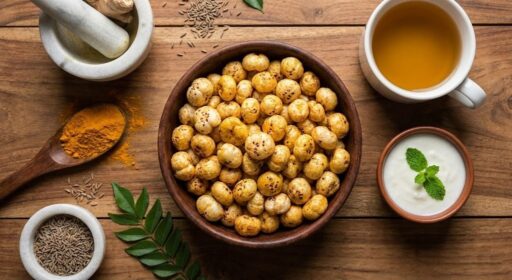
In the modern world of packaged snacks and processed foods, finding something that is both nutritious and satisfying can be a challenge. Surprisingly, one of the healthiest snacks is not new at all—it has been part of Indian kitchens for centuries. Makhana, also known as fox nuts or lotus seeds, is gaining global recognition as a superfood that supports digestion, reduces inflammation, and promotes overall well-being.
Light, crunchy, and naturally low in calories, makhana is more than just a fasting food or a traditional snack. Backed by nutritional science and Ayurvedic wisdom, it deserves a permanent place in your daily diet.
What Is Makhana?
Makhana comes from the seeds of the lotus plant (Euryale ferox), primarily grown in the wetlands of Bihar, Assam, and parts of eastern India. After harvesting, the seeds are dried, roasted, and popped—similar to popcorn—resulting in the fluffy white snack we know as makhana.
Unlike many modern snacks, makhana is:
- Naturally gluten-free
- Low in fat
- Easy to digest
- Suitable for all age groups
This makes it an ideal choice for children, adults, and even the elderly.
Nutritional Profile of Makhana
One of the reasons makhana is considered India’s healthiest snack is its impressive nutrient composition.
Per 100 grams of makhana contains approximately:
- Protein: 9–10 g
- Carbohydrates: 75–77 g
- Fat: Less than 1 g
- Dietary fiber: 6–7 g
- Rich in magnesium, potassium, phosphorus, and iron
- Contains antioxidants and flavonoids
This balanced profile makes makhana a perfect combination of energy, nutrition, and lightness.
How Makhana Supports Healthy Digestion
1. Rich in Dietary Fiber
Makhana contains a good amount of dietary fiber, which plays a key role in improving digestion. Fiber adds bulk to stool, promotes smooth bowel movements, and helps prevent constipation.
2. Easy on the Stomach
Unlike fried snacks or processed foods, makhana is light and non-greasy. It does not burden the digestive system, making it ideal for people with sensitive stomachs, acidity, or bloating issues.
3. Helps Maintain Gut Health
Fiber in makhana supports the growth of beneficial gut bacteria. A healthy gut microbiome improves nutrient absorption and strengthens digestive immunity.
4. Suitable During Fasting and Illness
Because makhana is easy to digest and provides sustained energy, it is commonly consumed during religious fasts and recovery periods after illness.
Anti-Inflammatory Properties of Makhana
Chronic inflammation is linked to several lifestyle diseases, including arthritis, heart disease, diabetes, and digestive disorders. Makhana contains natural compounds that help fight inflammation at the cellular level.
1. Rich in Antioxidants
Makhana is loaded with antioxidants such as flavonoids and phenolic compounds. These help neutralize free radicals, reducing oxidative stress and inflammation in the body.
2. Supports Joint and Muscle Health
Thanks to its anti-inflammatory nature, regular consumption of makhana may help reduce joint pain, stiffness, and muscle soreness, especially in older adults.
3. Beneficial for Inflammatory Digestive Conditions
People suffering from conditions like gastritis or irritable bowel syndrome (IBS) may find makhana soothing, as it does not irritate the gut lining.
Additional Health Benefits of Makhana
1. Supports Weight Management
Low in calories and fat but high in protein and fiber, makhana keeps you full for longer. This reduces unhealthy snacking and helps control weight naturally.
2. Helps Regulate Blood Sugar Levels
Makhana has a low glycemic index, which means it does not cause sudden spikes in blood sugar. This makes it a safe and healthy snack for people with diabetes when consumed in moderation.
3. Good for Heart Health
Its low sodium and high magnesium content support healthy blood pressure levels and improve heart function.
4. Enhances Skin and Hair Health
The antioxidants in makhana help fight premature aging, while minerals like iron and zinc support healthy skin and hair growth.
Makhana in Ayurveda
In Ayurveda, makhana is known as a “sattvic” food, meaning it promotes mental clarity, calmness, and balance. It is believed to:
- Strengthen digestion (Agni)
- Improve reproductive health
- Reduce fatigue and stress
- Support kidney and spleen function
Ayurveda often recommends makhana for pregnant women, growing children, and people recovering from weakness.
How to Eat Makhana for Maximum Benefits
Makhana is extremely versatile and can be enjoyed in multiple ways:
- Dry roasted makhana with a pinch of rock salt and ghee
- Spiced makhana with turmeric, black pepper, and cumin
- Makhana kheer as a healthy dessert
- Added to curries or vegetable stir-fries
- As a tea-time or office snack
For best digestive and anti-inflammatory benefits, roasting makhana lightly in ghee is recommended.
Who Should Include Makhana in Their Diet?
Makhana is suitable for:
- People with digestive issues
- Individuals aiming for weight loss
- Diabetics (in moderation)
- Children and teenagers
- Elderly people
- Fitness enthusiasts
However, excessive consumption may cause bloating in some individuals, so moderation is key.
Conclusion: Why Makhana Deserves a Place in Your Daily Diet
Makhana is not just a traditional Indian snack—it is a powerful superfood that supports digestion, reduces inflammation, and promotes overall health. Its light texture, rich nutrient profile, and versatility make it a perfect alternative to unhealthy packaged snacks.
By including makhana in your daily routine, you embrace a simple yet effective step toward better digestive health, reduced inflammation, and long-term wellness. Sometimes, the most powerful health solutions are already present in our traditional foods—and makhana is a perfect example of that wisdom.