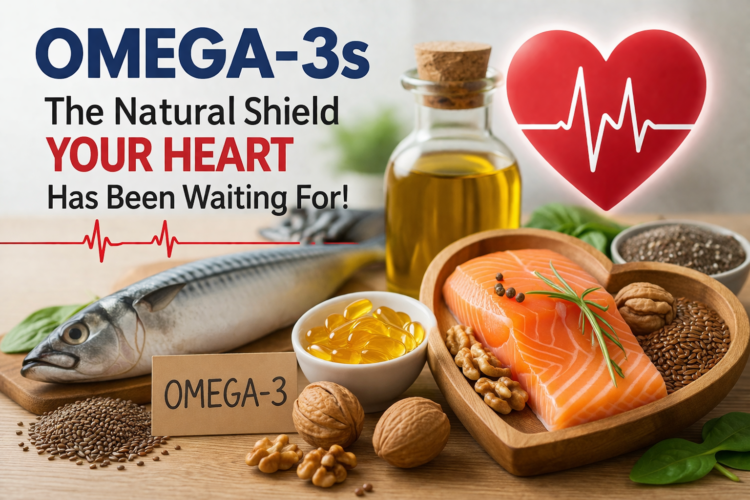
Heart disease continues to be one of the leading causes of death worldwide, and with increasingly sedentary lifestyles and poor dietary habits, the risk is only rising. While modern medicine has made significant advances, nature still offers some of the most powerful tools for protecting heart health. Among these, Omega-3 fatty acids stand out as a proven, effective, and natural way to reduce cardiovascular risks.
If you’ve ever wondered whether small dietary changes can truly make a difference, Omega-3s might just be the answer you’ve been looking for.
What Are Omega-3 Fatty Acids?
Omega-3 fatty acids are essential fats that your body cannot produce on its own. This means you must obtain them through your diet or supplements. Unlike unhealthy fats, Omega-3s are known for their protective and anti-inflammatory properties.
There are three main types of Omega-3 fatty acids:
- EPA (Eicosapentaenoic Acid): Primarily found in fatty fish
- DHA (Docosahexaenoic Acid): Also found in fish, crucial for brain and heart health
- ALA (Alpha-Linolenic Acid): Found in plant sources like flaxseeds and walnuts
Each type plays a unique role, but together, they contribute significantly to overall cardiovascular wellness.
Why Heart Health Needs Special Attention
Before diving into how Omega-3s help, it’s important to understand why heart health is such a critical concern. Factors like high cholesterol, high blood pressure, diabetes, obesity, and stress all contribute to cardiovascular disease.
Many people don’t experience symptoms until it’s too late. That’s why prevention is key—and Omega-3s play a powerful role in this preventive approach.
How Omega-3s Reduce Heart Risks
1. Lowering Triglyceride Levels
One of the most well-documented benefits of Omega-3 fatty acids is their ability to reduce triglycerides—harmful fats in the blood that increase the risk of heart disease.
Regular intake of Omega-3s can lower triglyceride levels by up to 20–30%, which significantly reduces the chances of developing cardiovascular complications.
2. Reducing Inflammation
Chronic inflammation is a silent contributor to many heart conditions, including atherosclerosis (hardening of the arteries). Omega-3s have strong anti-inflammatory properties that help reduce this underlying risk.
By calming inflammation, Omega-3s help protect blood vessels and improve overall heart function.
3. Improving Cholesterol Balance
Omega-3 fatty acids help increase HDL (good cholesterol) while reducing LDL (bad cholesterol) in some individuals. This balance is crucial for maintaining clean and flexible arteries.
Better cholesterol levels mean less plaque buildup, which directly lowers the risk of heart attacks and strokes.
4. Supporting Healthy Blood Pressure
High blood pressure is often called the “silent killer.” Omega-3s have been shown to slightly lower blood pressure levels, especially in individuals already dealing with hypertension.
Even a small reduction in blood pressure can significantly reduce the risk of heart-related complications.
5. Preventing Blood Clots
Omega-3s help make blood less sticky, reducing the likelihood of clot formation. Blood clots can block arteries and lead to heart attacks or strokes.
This natural blood-thinning effect is one of the key reasons Omega-3s are recommended for heart health.
6. Stabilizing Heart Rhythm
Irregular heartbeats (arrhythmias) can be dangerous if left unmanaged. Omega-3 fatty acids help maintain a steady heart rhythm, reducing the risk of sudden cardiac events.
Scientific Evidence Supporting Omega-3 Benefits
Over the years, numerous studies have explored the connection between Omega-3 intake and heart health. Many of these studies confirm that individuals who consume higher amounts of Omega-3s have a lower risk of heart disease.
Research has consistently shown that populations with diets rich in fatty fish—such as Mediterranean communities—experience fewer cardiovascular problems.
While Omega-3s are not a magic cure, they are undeniably a powerful preventive tool.
Best Natural Sources of Omega-3
Including Omega-3-rich foods in your diet doesn’t have to be complicated. Here are some of the best sources:
Fish-Based Sources
- Salmon
- Mackerel
- Sardines
- Tuna
These are the richest sources of EPA and DHA, the most beneficial types for heart health.
Plant-Based Sources
- Flaxseeds
- Chia seeds
- Walnuts
- Soybeans
These contain ALA, which the body partially converts into EPA and DHA.
Fortified Foods
- Omega-3 enriched eggs
- Fortified milk and yogurt
These can be helpful for those who don’t consume fish.
Should You Take Omega-3 Supplements?
While getting nutrients from food is always the best option, supplements can be useful in certain situations.
You may consider Omega-3 supplements if:
- You don’t eat fish regularly
- You have high triglyceride levels
- Your doctor recommends it
Fish oil capsules are the most common form, but vegetarian options like algae-based supplements are also available.
However, it’s always wise to consult a healthcare professional before starting any supplement, especially if you are already on medications.
How Much Omega-3 Do You Need?
The recommended intake can vary depending on age, health condition, and lifestyle. However, general guidelines suggest:
- Healthy adults: At least 250–500 mg of EPA and DHA combined per day
- People with heart conditions: Higher doses may be recommended by doctors
Including fatty fish in your diet at least twice a week is a practical way to meet these requirements.
Omega-3 and Lifestyle: A Complete Approach
While Omega-3s are powerful, they work best when combined with a healthy lifestyle. For optimal heart health:
- Maintain a balanced diet
- Exercise regularly
- Avoid smoking
- Manage stress
- Monitor blood pressure and sugar levels
Think of Omega-3s as part of a bigger picture—not a standalone solution.
Common Myths About Omega-3
Myth 1: All fats are bad
Not true. Omega-3s are healthy fats that your body actually needs.
Myth 2: Supplements are better than food
Whole foods provide additional nutrients that supplements may lack.
Myth 3: Only older people need Omega-3
Heart health matters at every age. Prevention should start early.
Are There Any Side Effects?
Omega-3s are generally safe when consumed in recommended amounts. However, excessive intake—especially from supplements—may cause:
- Digestive discomfort
- Fishy aftertaste
- Increased bleeding risk (in very high doses)
Moderation is key.
Why Omega-3s Are Especially Important Today
Modern diets often contain high levels of processed foods and unhealthy fats, while being low in essential nutrients like Omega-3s. This imbalance contributes to increased heart risks.
By consciously adding Omega-3-rich foods, you can restore this balance and give your heart the protection it deserves.
Final Thoughts
Omega-3 fatty acids are not just another health trend—they are a scientifically backed, natural way to support heart health and reduce cardiovascular risks. From lowering triglycerides to improving cholesterol and reducing inflammation, their benefits are both wide-ranging and impactful.
Incorporating Omega-3s into your daily routine is a simple yet powerful step toward a healthier life. Whether through food or supplements, this small change can make a big difference over time.
Your heart works tirelessly for you every day. Maybe it’s time to return the favor—with the power of Omega-3s.