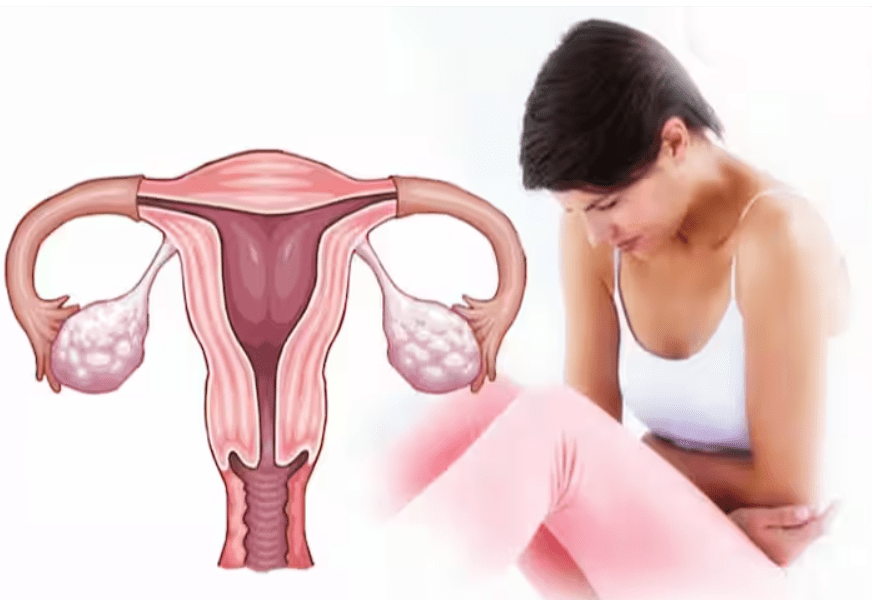
Cervical cancer is one of the most common cancers affecting women worldwide, yet it is also one of the most preventable. This cancer develops in the cervix — the lower part of the uterus that connects to the vagina. The main cause of cervical cancer is persistent infection with high-risk strains of the Human Papillomavirus (HPV). Regular screening, vaccination, and awareness can significantly reduce the risk of this deadly disease.
Early Signs & Symptoms
In the initial stages, cervical cancer often shows no clear symptoms, which makes regular screening vital. However, as it progresses, women may experience:
- Abnormal vaginal bleeding (especially after intercourse or between periods)
- Unusual vaginal discharge with a foul odor
- Pelvic pain or pain during intercourse
- Fatigue and unexpected weight loss
Major Causes & Risk Factors
- HPV infection – the leading cause of cervical cancer
- Early sexual activity or multiple sexual partners
- Weakened immune system
- Long-term use of birth control pills
- Smoking and poor intimate hygiene
Prevention & Early Detection
- HPV Vaccine: The HPV vaccine is highly effective in preventing most cervical cancer cases. It is recommended for girls aged 9–26 years.
- Regular Pap Smear Tests: A Pap test can detect abnormal cell changes in the cervix before they turn cancerous.
- Healthy Lifestyle: Eat antioxidant-rich foods, avoid smoking, and maintain personal hygiene.
- Safe Sexual Practices: Use protection and avoid multiple partners to reduce HPV risk.
Treatment Options
If detected early, cervical cancer is highly treatable through surgery, radiation, and chemotherapy. The key lies in timely diagnosis and consistent follow-up care.
Conclusion
Cervical cancer is not a death sentence — awareness, prevention, and early screening save lives. Every woman should prioritize her reproductive health and get regular checkups. Remember, self-care is not selfish; it’s survival.