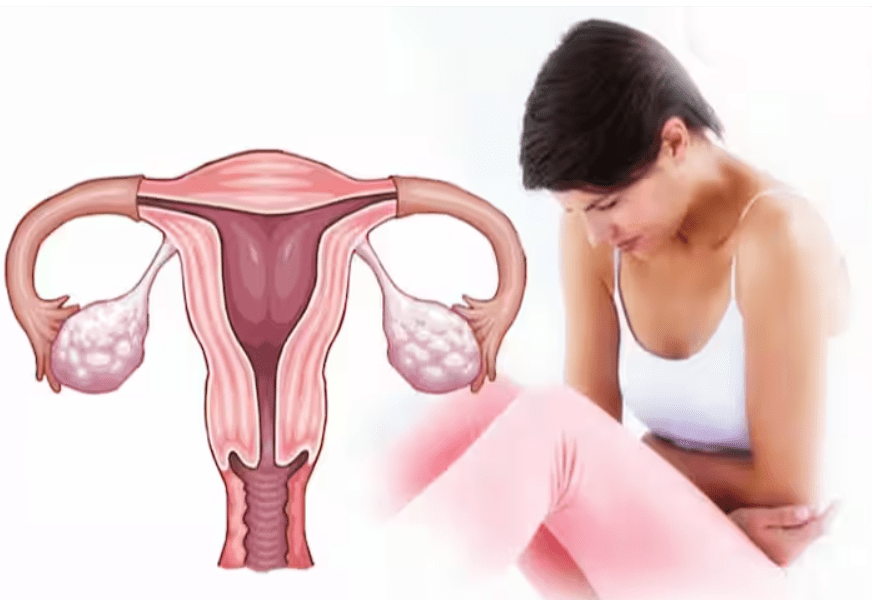
A girl’s first period, known as menarche, marks the beginning of her reproductive years and usually happens between ages 11 and 14. However, this can vary depending on genetics, nutrition, and overall health.
If a girl gets her period before age 9, it’s called an early period or precocious puberty. Early menstruation may result from hormonal imbalances, obesity, or family history. It’s advisable to consult a doctor if puberty begins unusually early.
Conversely, if a girl hasn’t started her period by age 16, it’s considered a delayed or late period. Factors such as low body weight, excessive exercise, chronic stress, or thyroid issues may delay menarche. A medical check-up can help identify and treat any underlying cause.
Parents should openly discuss menstruation to reduce anxiety and embarrassment. A balanced diet, enough sleep, and emotional support are essential for a healthy puberty transition. Remember, every girl’s body has its unique timeline—so early or late doesn’t always mean abnormal. What matters most is maintaining good health and body confidence.